A gas kiln is a fuel-burning kiln, most commonly run on natural gas or propane, that burns fuel directly inside the firing chamber rather than heating it electrically. Because combustion happens where the ware sits, the air-to-fuel ratio can be deliberately adjusted to starve the atmosphere of oxygen, making a gas kiln the standard route to reduction-fired stoneware and porcelain (see atmospheres).
¶ How it works
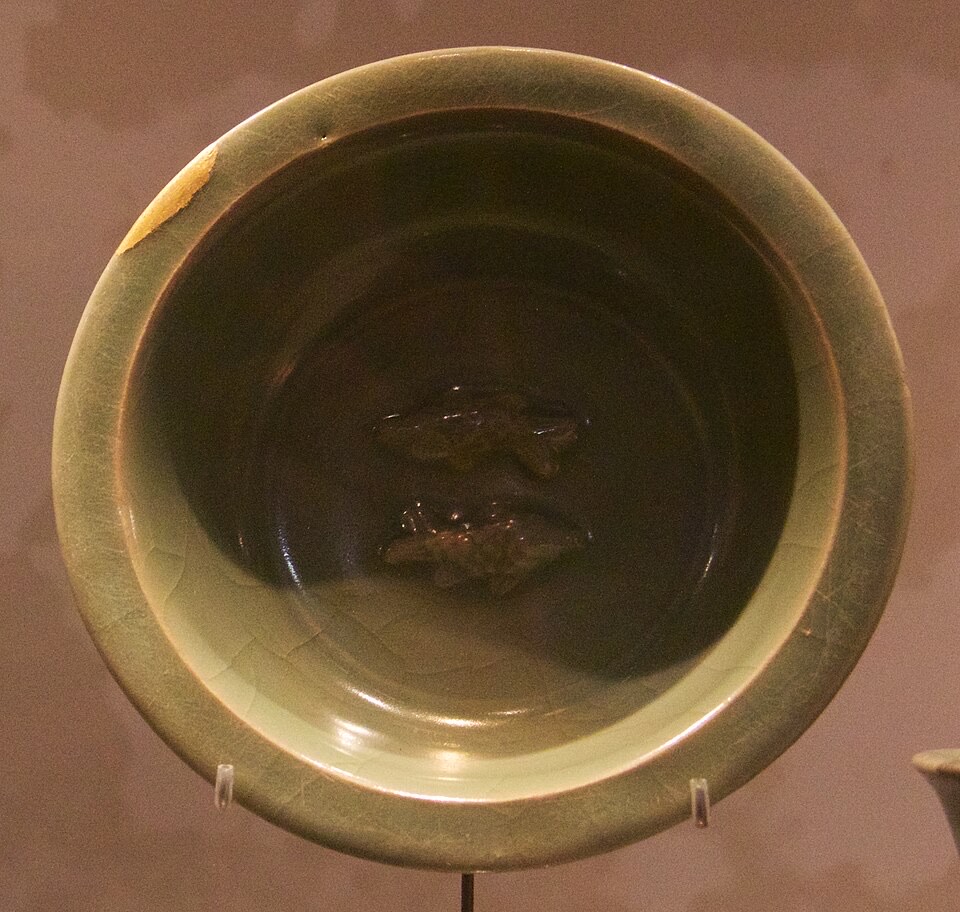
One or more burners inject and ignite a gas-air mixture inside the kiln's firebox, with dampers (adjustable flue restrictions) and burner air intakes used to control how much air is available relative to fuel. Natural gas is piped in continuously from a utility line, while propane is supplied from refillable tanks, which matters mainly for where a kiln can practically be sited rather than for how it fires. Atmospheric burners draw in combustion air passively as the gas flows past, simple and common in smaller kilns; forced-air (power) burners use a blower to push air in under pressure, giving more precise control over the fuel-air ratio and typically more power for larger kilns. Wide-open dampers and generous air supply an oxidizing atmosphere; restricting air relative to fuel starves combustion of oxygen and forces it to pull oxygen out of the glaze and clay body themselves instead, a reducing atmosphere, which is what produces effects like iron turning warm red-brown to grey-green or copper turning green to red (see atmospheres).
¶ Practical considerations
A gas kiln generally demands more hands-on operation through a firing than an electric one, since damper and burner adjustments through the cycle are what actually produce a controlled atmosphere rather than an accidental one, and it typically reaches higher practical temperatures than a comparable electric kiln. Proper venting and makeup air are a real safety requirement, not an optional refinement, given the combustion byproducts and fire risk of running a fuel-burning kiln in an enclosed space; see environmental impact for the broader studio-safety picture this fits into.
That hands-on monitoring happens through spy holes (small plugged openings in the kiln wall) positioned so witness cones on the shelves inside stay visible without opening the kiln itself. A typical setup places three cones together at each spy hole: one a cone cooler than the firing target, one at the target, and one a cone hotter, so a glance shows not just whether the target has been reached but how far the firing still has to go and how much margin remains before overfiring.
¶ References
- Photo by Mike Peel (www.mikepeel.net), "Celadon Bowl, 10th-13th centuries," Museum of Liverpool, via Wikimedia Commons, licensed CC BY-SA 4.0 (resized and re-compressed from the original).
